

As we celebrate 250 years of America’s independence, it’s natural for Idahoans to wonder how their state, and they themselves, fit into all that history.
What is it about Idaho and Idahoans that’s special? What makes Idaho Idaho, and how does that affect those of us who live here?
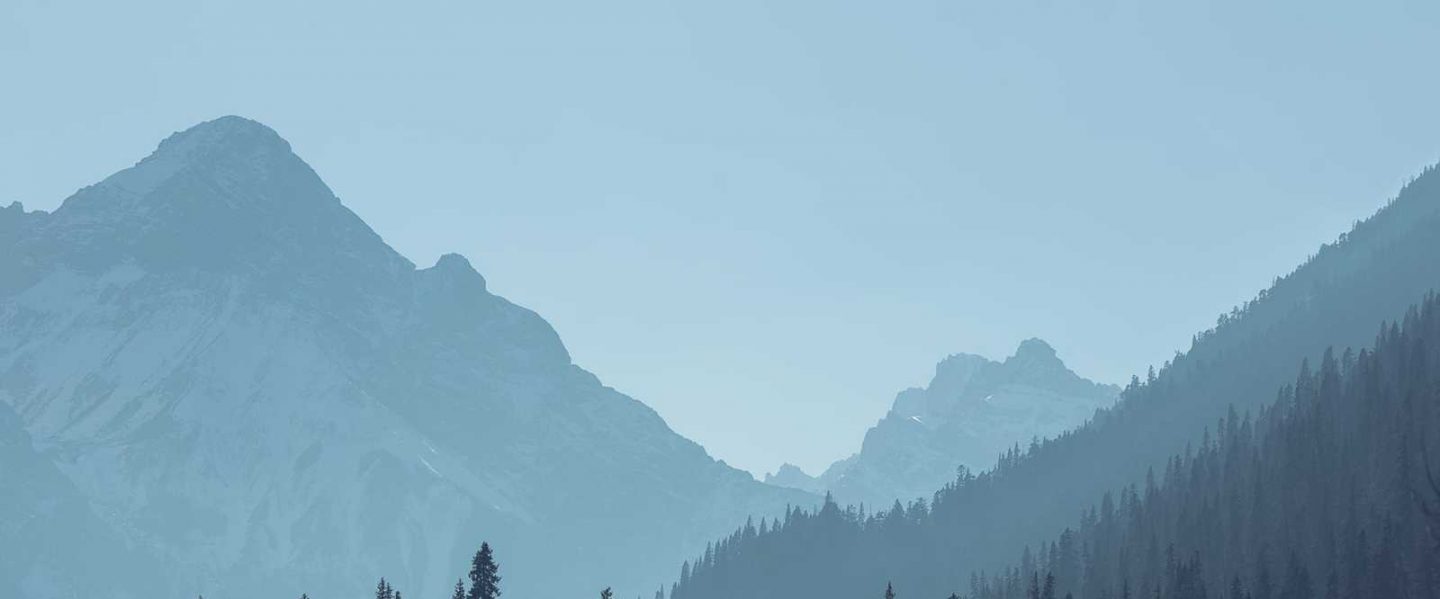
Part of what makes Idaho Idaho is its natural beauty, much of it found in mountains. Idaho is the 14h largest state, but if its mountains could be pounded flat it would be the third largest, behind only Alaska and Texas. We have over 80 named mountain ranges, the Sawtooths, White Clouds, Bitterroots, Pioneer, Lost River, Lemhi and Owhyee ranges figuring prominently among them.
Idaho is more than mountains, of course. It’s wetlands, woodlands, lakes and rivers, prairies, canyons and deserts, each beautiful in its own way.
“Beauty in a desert?” you may ask.
Absolutely. Arches, dunes, buttes, cliffs, craters, calderas … Idaho’s deserts have them all, populated with wildlife from rattlesnakes to antelopes to birds of prey. The Bruneau Sand Dunes are North America’s tallest, free-standing sand dunes. The Morley Nelson Snake River Birds of Prey National Conservation Area is home to the continent’s greatest concentration of nesting birds of prey.
How have the state’s natural wonders affected us? Does being surrounded by so much beauty so readily accessible contribute to character traits?
Idahoans are known for a number of those:
We’re fiercely proud of our state’s natural beauty. Those who have lived here long enough to get to know and appreciate it have a deep connection to the diverse landscapes that make up our state. We tread lightly on them and want them to be protected, to remain as they are for those who come after us.
With all it has going for it, Idaho still is one of the least known states. Our neighboring states – Washington, Oregon, Nevada, Utah, Wyoming and Montana – are well known to the average American for attractions ranging from national parks to the Las Vegas strip.
Idaho lacks such identities. Despite its abundance of scenic wonders, it’s among the lesser known states. That’s changed somewhat as we’ve grown. Idaho is the second fastest growing state – Utah is first – but to many Americans it’s barely on the radar.
When I was in the Navy and told fellow sailors I was from Idaho, the responses included “Idaho! That’s the state we always forget when we’re playing name the states and their capitals on a boring mid watch and we have 49.”
Knowing that people in other states seem only marginally aware of Idaho’s existence has led to a certain resentment – how dare they think we don’t exist? – and with it an independent streak. We’re one of a minority of states with Don’t Tread on Me license plates and have long attracted independent characters:
Free Press Frances Wisner, who lived alone on a remote stretch of the Salmon River in a cabin all but held up by books. They and her dog, Gretchen, were her only companions (not counting the bears who frequented her property).
“Dugout Dick” Zimmerman, “the Salmon River Caveman.” An Indiana native, he walked across a bridge over the Salmon River in 1947, built a makeshift home on a hillside and spent the rest of his life there, mostly in caves he dug into the hillside. Independence personified.
Sylvan Hart, better known as Buckskin Bill. Another of the solitaries who settled along the Salmon River, he was one of the last true mountain men to settle in the Idaho wilderness.
Idahoans feel a deep connection to the land and get their hackles up when it is threatened. When the North Fork of the Payette River was threatened with development, public opposition led to adoption of a state water plan that protects it.
The same thing happened with a proposal to develop Upper Mesa Falls, in eastern Idaho. Though not as well known as Shoshone Falls, the so-called Niagara of the West, Upper Mesa Falls is easily as spectacular. News of a plan to develop it met with anger bordering on outrage. Journalists, myself included, were so incensed that they penned editorials and columns arguing that the falls were perfect as they were and should never be developed. The proposal was dropped.
Idahoans are known for friendliness, We’re concerned about the effects of rapid growth on our state, but on a personal level are welcoming to newcomers. We’re so friendly that people from other places comment on it. We smile and say hello to strangers. Accustomed to avoiding eye contact, visitors from other places find that surprising. They can’t get over how different it is from where they left.
Neighborliness and generosity are Idaho character traits. When news comes of a tragedy that leaves people badly injured, homeless or otherwise in dire straits, in pour the donations. GoFundMe goals are routinely met, often exceeded.
All things considered, we’re fortunate to live here. Here’s to America’s 250th, and to the beautiful state we call home.
Tim Woodward’s column appears every other Sunday in The Idaho Press and is posted on woodwardblog.com the following Mondays. Contact him at woodwardcolumn@gmail.com.

